Dr. Nicholas T. Werthessen and Nancy Field Werthessen work on a technique for keeping organs alive outside of the body, called the perfusion pump, in 1955. Dr. Werthessen joined the Institute in 1951, helping lead and grow the biological research program. He was particularly interested in studying atherosclerosis, the plaque build-up along artery walls. At the time, it was described as “hardening of the arteries.”
Senior Research Associate Gloria Rodriguez, Assistant Professor Olena Shtanko, Ph.D., and Lab Manager Carmen Bartley work in the BSL-4 lab, a secure facility for studying deadly pathogens like Ebola and Marburg viruses.
Through the decades, Texas Biomed researchers have answered some of medicine’s most urgent questions. In the years following the end of World War II, scientists at the Institute investigated radiation, infertility, hormones, cancer and heart disease. As global health challenges evolved, so too did the Institute, expanding to tackle smoking, diabetes, HIV, anthrax and Ebola virus, just to name a few.
Since 1941, generations of researchers have transformed scientific discovery into lifesaving advances. From some of humanity’s oldest adversaries to the newest, emerging threats, here are a few snapshots from the past 85 years that capture Texas Biomed’s far-reaching impact on human health.
Many of these breakthroughs came at moments when little was known and effective treatments did not yet exist, placing scientists at the forefront of discovery. Researchers – often with the help of animal models developed here – have continuously advanced human health as they asked questions, sought answers through careful, collaborative work, and developed and tested new medicines, therapies and vaccines.
Understanding heart disease
From the beginning, Texas Biomed researchers have studied heart disease. Heart disease was and remains the leading cause of death worldwide. Over the decades, researchers and the baboons at Texas Biomed have helped transform our understanding of heart disease, uncovering the genetic and lifestyle factors that contribute to its development and progression.
Texas Biomed initially established a baboon colony because baboons naturally develop atherosclerosis, making them an invaluable model for understanding cardiovascular disease and testing new prevention and treatment approaches.
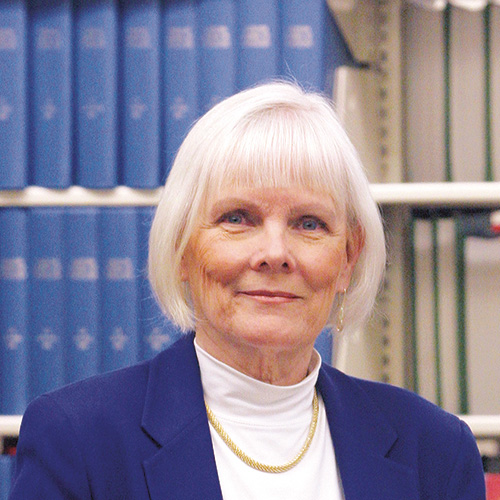
Dr. Jean MacCluer, one of the Institute’s leading geneticists from 1981 to 2008, was at the forefront of developing computerized statistical methods to uncover genetic drivers of disease. She was a principal investigator on the long-running San Antonio Family Heart Study, which helped identify more than 20 genes putting Mexican Americans at higher risk for heart disease and related conditions, such as hypertension, diabetes and obesity.
Some of the Institute’s first research grants from the National Institutes of Health were for studying heart disease in the early 1950s. A few years later, the Texas Heart Research Foundation pledged $50,000 – a huge sum at the time – toward atherosclerosis research which unlocked internal funding to establish the baboon colony. Construction of the first enclosures on the current site began in 1958. Now eight generations later, Texas Biomed’s Southwest National Primate Research Center is home to the largest pedigreed baboon colony in the world dedicated to lifesaving biomedical research.
Through the years, Institute researchers have helped clarify the roles of cholesterol, diet and smoking in heart disease. Later, they uncovered key insights into lipoprotein(a), a genetic risk factor now increasingly included in cardiovascular screening. In the 1990s, they ran the largest study of genetic factors contributing to heart disease in Mexican Americans. Texas Biomed researchers continue to support the Strong Heart Study, the largest study of cardiovascular disease in American Indians, which has been running since 1989.
Pioneering neonatal life support
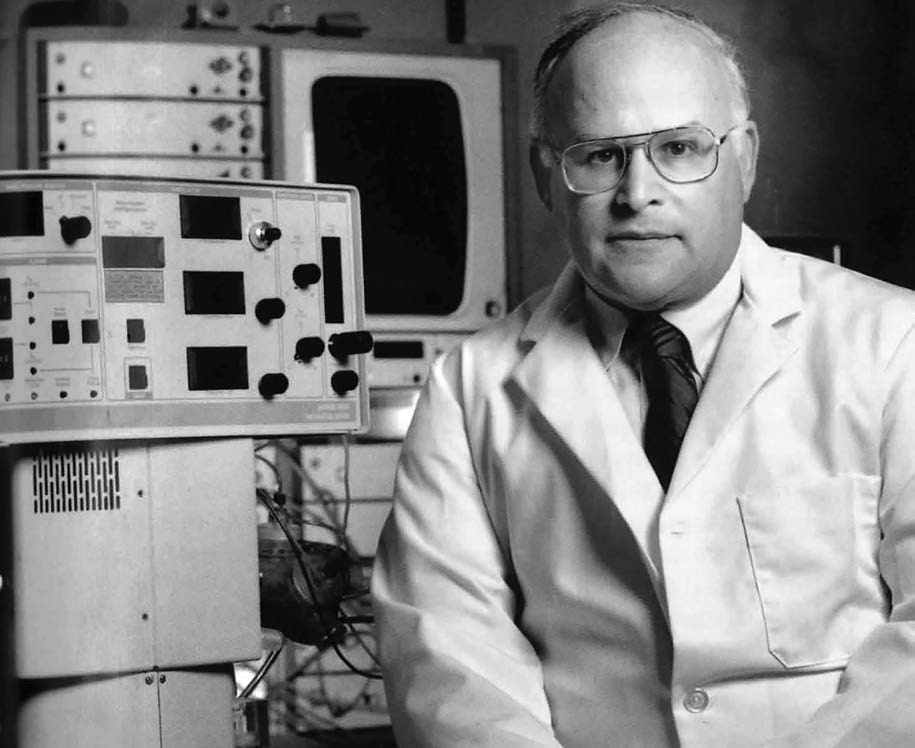
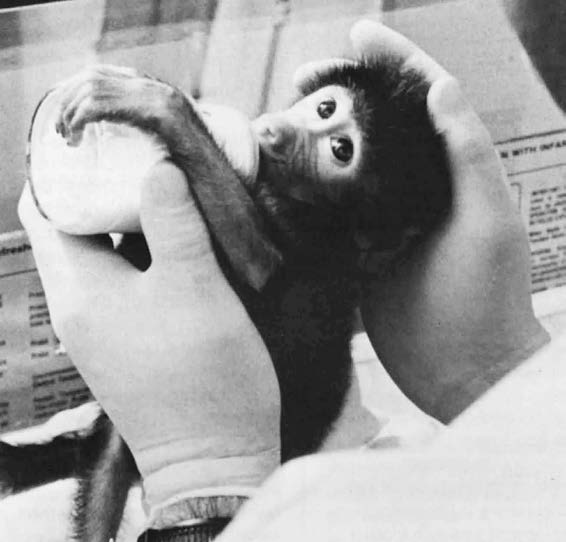
Babies born prematurely often require breathing support because their lungs have not fully developed and lack a coating, called surfactant, that helps keep lungs open and functioning properly. In the 1980s, researchers developed and tested a ventilator designed especially for infant lungs, using a premature baboon model. Known as the high-frequency oscillatory ventilator, this technology is still in use today.
At the time, conventional ventilation that mimics normal breathing with high levels of oxygen was leaving some children with serious lung injuries or chronic lung diseases. In contrast, the high-frequency oscillatory ventilator, developed by researchers at Wilford Hall U.S. Air Force Medical Center, UT Health San Antonio and Texas Biomed, delivers very small breaths at a rapid rate (900 breaths per minute), while keeping the lungs open with elevated pressure. After successfully demonstrating the equipment and procedures with premature baboons at Texas Biomed, the treatment was trialed with human babies born between 26 and 34 weeks of gestation at Wilford Hall. Between 1983 and 1988, some 400 infants were saved from potentially fatal lung injuries during the trial. The improved ventilator has gone on to save countless young lives around the world.
Around the same time, the team at Texas Biomed also helped develop and test a portable lung-heart bypass machine, called an extracorporeal membrane oxygenator (ECMO). When there is a major issue with the lungs or heart, the ECMO machine temporarily takes blood out of the body, adds oxygen, removes carbon dioxide and pumps it back through the body, providing critical support while treatment or surgery is performed.
The portable unit was adapted for air transport and made headlines in 1983 when it helped save a baby boy who was airlifted from California to San Antonio for treatment at Wilford Hall. ECMO has since been further refined and adapted for both adults and children.
The premature baboon model that made both of these advances possible was initially developed through a pilot study funded by the Southwest Foundation Forum, now known as the Texas Biomedical Forum.
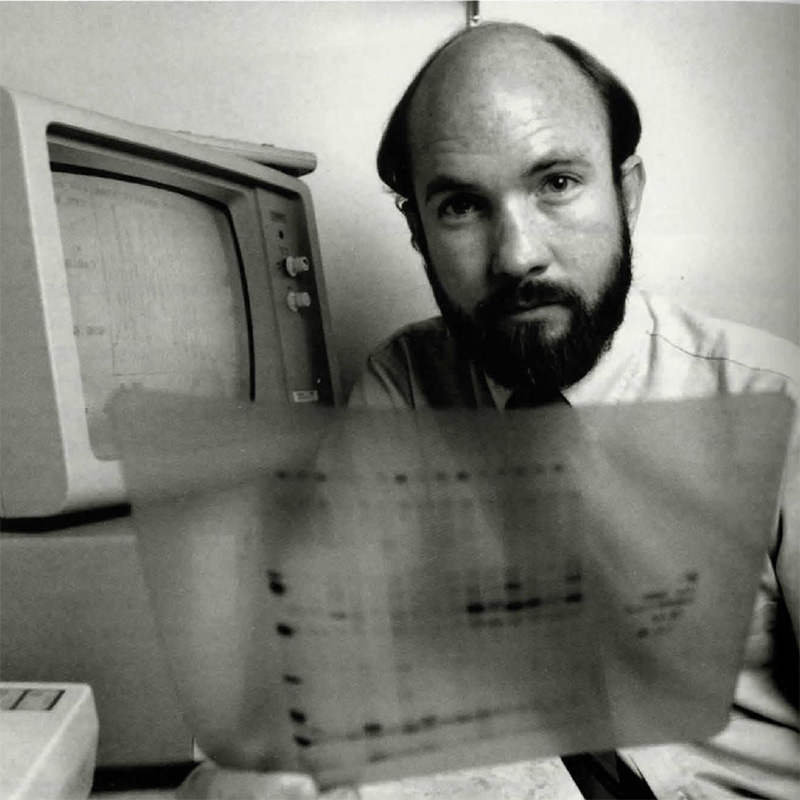
Professor Emeritus Robert E. Lanford, Ph.D., and his lab at Texas Biomed led dozens of studies evaluating hepatitis vaccines and therapeutics for partners while advancing their own research. He also developed a critical tool for studying hepatitis viruses – a way to keep liver cells, called hepatocytes, alive in the lab. The specialized medium, comprised of about 20 ingredients that mimic the liver’s natural environment, kept liver cells functioning for more than 100 days, an achievement that had not previously been possible.
From chimpanzees to cures for hepatitis
Hepatitis B and C are viruses transmitted through blood and body fluids and are leading causes of chronic liver disease, cirrhosis and liver cancer. Today, hepatitis B vaccines protect against the virus and antiviral pills can cure hepatitis C infection within 8 to 12 weeks.
In the 1980s, second-generation hepatitis B vaccines were tested in chimpanzees at Texas Biomed. As the first vaccines to use recombinant DNA technology – adapting parts of the virus’s genetic code to prompt an immune response rather than the whole virus – they were a major advancement not only for hepatitis but vaccines broadly. During this time, Texas Biomed collaborated with several partners, including Genentech, widely recognized as the world’s first biotechnology company.
The chimpanzees at Texas Biomed also helped evaluate dozens of potential vaccines and therapeutics for hepatitis C. Before 1989, hepatitis C had remained an unidentified disease known as non-A, non-B hepatitis. It had become a major public health concern when researchers realized this mystery pathogen was the primary cause of hepatitis infections in patients receiving blood transfusions. The work of three leaders in the field, Harvey J. Alter, Michael Houghton and Charles M. Rice, earned the 2020 Nobel Prize in Physiology or Medicine. Both Rice and Houghton collaborated with Texas Biomed and Southwest National Primate Research Center on hepatitis C research, including testing a strain that could be used in the lab and evaluating immune responses in chimpanzees. Chimpanzees are no longer used in biomedical research.
Groundbreaking organ transplants
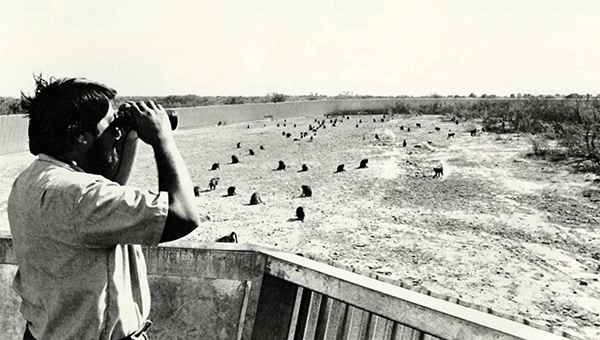
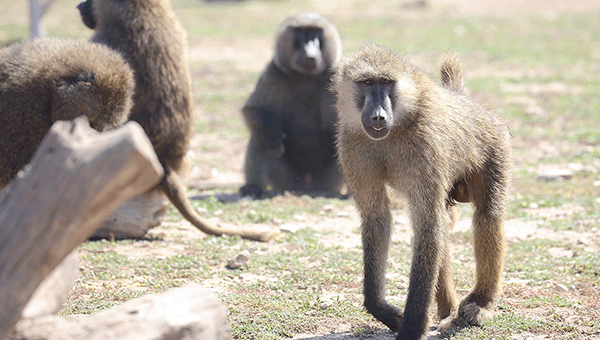
Texas Biomed’s Southwest National Primate Research Center is home to the largest pedigreed baboon colony in the world dedicated to lifesaving biomedical research. Since the 1950s, baboons have advanced our understanding of heart disease, maternal nutrition during pregnancy, diabetes, organ transplantation and more.
Some of the nation’s first animal-to-human organ transplants, known as xenotransplantation, involved baboons from Texas Biomed and Southwest National Primate Research Center.
In 1984, an age-matched baboon heart was transplanted into Baby Fae, an infant born with a fatal heart condition, at Loma Linda University Medical Center in California. The procedure marked a milestone in infant medicine, and at the time, was the longest lasting cross-species heart transplant. Baby Fae lived for three more weeks before the organ was rejected.
In 1992, a baboon liver was transplanted into a 35-year-old man with end-stage liver failure caused by hepatitis B at University of Pittsburgh Medical Center. He passed away from a stroke more than two months later with no signs of organ rejection. Both surgeries broke new ground, expanded knowledge about xenotransplantation and helped lay the foundation for the field’s continued progress.
First Ebola virus treatments and vaccines
Texas Biomed collaborated with Regeneron to evaluate its antibody cocktail against Zaire ebolavirus, which became the first Ebola treatment approved by the U.S. Food and Drug Administration in 2020. The studies were completed in Texas Biomed’s biosafety level 4 lab (BSL-4) and drew on the Institute’s expertise in animal models, infectious diseases, maximum containment and regulated studies required for approval.
The team also worked for many years with Janssen, now part of Johnson & Johnson, to advance its Zaire ebolavirus vaccine, which was deployed during the 2018-2020 Ebola outbreak in the Democratic Republic of the Congo and approved in the European Union in 2020.
Texas Biomed has collaborated with Sabin Vaccine Institute and Mapp Biopharmaceutical, Inc. to test vaccines and treatments for two other highly lethal filoviruses: Sudan ebolavirus and Marburg virus. Sabin’s Sudan ebolavirus vaccine and MappBio’s antibody therapy were deployed to Uganda in 2022 during an outbreak there. Sabin’s Marburg vaccine, which is in Phase 2 clinical trials, was deployed to Rwanda during an outbreak in 2024 and to Ethiopia in 2025 and 2026.
First COVID-19 vaccine and therapy

When the COVID-19 pandemic hit, Texas Biomed quickly pivoted to studying the novel virus, developed essential animal models and conducted preclinical tests of the first approved vaccines and therapies.
During the early days of COVID-19 – months before the World Health Organization officially declared a pandemic – Texas Biomed scientists gathered to identify how they could best respond to the rapidly emerging public health crisis. They quickly agreed to establish the animal models that would be required to understand the novel coronavirus and test new therapies and vaccines. In just over a week, the Board of Trustees and community partners raised over $5 million to support these foundational studies. Thanks to these early actions, Texas Biomed helped generate critical baseline knowledge about which rodent and nonhuman primate models best replicate the human response to SARS-CoV-2.
With established biosafety facilities, animal resources, virology expertise and nimbleness, the Institute was well-positioned to rapidly partner with consortiums and pharmaceutical companies to evaluate the safety and efficacy of therapies and vaccines. Most notably, the team tested the first FDA-approved COVID-19 mRNA vaccine from Pfizer-BioNTech and the first FDA-approved monoclonal antibody cocktail from Regeneron, as well as Novavax’s COVID-19 vaccine. The first vaccines were fully tested and administered within a year of the pandemic pathogen being identified, a monumental achievement made possible by the global scientific community working alongside governments, nonprofits and industry, helping save millions of lives.