
Frequently Asked Questions about Vaccines
COVER STORY PART 1 | PART 2 | PART 3
Here are answers to some of the most common questions about vaccines.
Q: What do vaccines do?
A: Vaccines present a version of a pathogen to your body, so it can learn how to fight that pathogen should it ever encounter the real thing. It is like getting the answers to a test ahead of time or preparing for a game by practicing. Your immune system files this information away so that it can quickly recall its training when needed.
Q: How are vaccines developed?
A: Typically, the process to develop a vaccine starts in a research lab. Scientists learn about the pathogen – the virus or bacteria or parasite – in order to identify the best way to stop it from spreading and causing disease in the body. Vaccines then go through a rigorous testing process. First, preclinical testing takes place in the lab to establish that the vaccine works and is safe in cells and animal models, before proceeding to people. After clearance from the FDA, it can go to clinical trials. Phase 1 clinical trials typically are in a very small number of healthy volunteers to demonstrate it is safe. Phase 2 expands to a larger number to demonstrate safety and efficacy. Phase 3 expands to several thousand volunteers to check for broad efficacy and rare side effects. Phase 3 studies are statistically “powered” with a larger group so that clear-cut results can be obtained. The FDA evaluates and decides whether to approve the vaccine, and then lastly, the CDC determines its recommendations.
Q: Why are vaccines not 100% effective, especially the seasonal flu shot?
A: Some vaccines, like for Ebola virus, have been shown to be totally protective and prevent illness, which is phenomenal. In many cases, you would not expect to see such a high percentage. Recall that what vaccines do is train your immune system, so then it is up to your immune system to recall that training when presented with the real deal. Everyone’s body is different, which can affect how well one fights off a bug, even after getting vaccinated.
Influenza virus is notorious for mutating a lot, which means it is difficult to design a vaccine that will provide long-lasting protection. Annually, global health agencies track which strains are circulating in the Southern Hemisphere during the winter months there and then they have to make a best guess about which strains will become dominant in the Northern Hemisphere in the spring, so there is adequate time to produce the vaccines for winter here. The shots may not prevent you from getting sick but are more likely to ensure illness is not as severe and you won’t need to go to the hospital.
Q: How could the COVID-19 mRNA vaccines be safe if they were developed so quickly?
A: The COVID-19 mRNA vaccines went through all the safety and efficacy testing steps required. Some of the preclinical studies were done right here at Texas Biomed! These vaccines were achieved in record time for several reasons:
- The world came together to prioritize this shared goal, with scientists, industry, philanthropy and government working together in an unprecedented collaboration.
- Funding was made available to facilitate a process that is usually painfully long, competitive and cost prohibitive. Steps that normally would occur one by one could occur simultaneously because the government absorbed most of the risk.
- The technology underlying the new vaccines had been in development for decades and was being tested for other respiratory viruses and cancer treatments. It was based on fundamental research that had occurred in the 1990s. Therefore, the COVID-19 mRNA vaccine development had a significant head start. This early research that paved the way for this vaccine platform was recognized with the Nobel Prize in 2023.
- A key feature of the mRNA vaccine platform makes it easier to quickly adapt to use with new pathogens. Instead of producing an entire virus that must be modified in order to be safely used in vaccines, it simply provides instructions to the body to produce one of the viruses’ proteins.
Q: Why did the effectiveness of COVID-19 vaccines decrease, requiring boosters?
A: The COVID-19 vaccines saved an estimated 20 million lives in the first year they were available. However, as we saw, effectiveness did not last as long as one would like. As the virus continued to mutate, its spike protein was no longer matching what the body was trained to recognize. Because it was no longer a strong match, the virus escaped detection by the immune system, which meant updated booster shots were required. This is similar to how the seasonal flu shot must be updated every year.
Q: Do vaccines have harmful side effects?
A: Vaccines undergo rigorous testing to ensure they do not produce harmful side effects in the vast majority of people. Like any medicine, vaccines might produce mild side effects like soreness and redness where the shot is given. Serious side effects from vaccines are extremely rare, according to Health and Human Services. For example, if 1 million doses of a vaccine are given, 1 to 2 people may have a severe allergic reaction, which could include difficulty breathing, swelling, rash and dizziness. Because vaccines are given to so many people, not just a small target group, they must pass an even higher bar for safety. But because every person is different, there is a rare chance for an adverse reaction. Vaccine safety is continuously monitored even after approval.
Q: Do vaccines cause autism?
A: No. There have been many studies conducted in multiple countries that have not found a link between vaccination and autism, including studies by the Centers for Disease Control and Prevention. While difficult to prove a negative, these large studies were done by different research groups and all came to the same conclusion, that there is no link.
The misconception started with one paper that has since been found to have many problems and fabrications. There were 12 children included in the paper, which is a very small sample size. The paper manipulated data to say that children began showing signs of developmental issues after vaccination, when they actually began appearing before. When this was revealed, the paper was retracted, and the lead author was barred from practicing medicine. Personal financial incentives for manipulating the data were also discovered.
Q: Why do you test vaccines in animals before testing them in people?
A: Vaccines, like other medicines and therapies, go through many phases during research and development. The first step is testing them in cells in plastic dishes to see if they stop a pathogen from infecting the cells. Those that are showing the greatest promise proceed to small animals, such as mice, guinea pigs and hamsters. Choosing the most appropriate animal model is critical – some animals don’t get sick with certain pathogens. For example, mice can have Ebola virus and not get sick. Only those vaccine candidates that work in small animals proceed to nonhuman primates. As our closest relatives, nonhuman primates help us understand how our immune system is likely to react to a drug or vaccine. Animals also provide insight about vaccines that are impossible to test in people beforehand because exposing people to deadly pathogens to see if something will protect them is widely agreed to be unethical. Animals also help provide insights into populations traditionally excluded from clinical trials, notably pregnant people. Also, animal testing becomes critical for FDA approval when the target virus is deadly for humans and proper Phase 2 and 3 clinical trials are unethical. In these cases, vaccines and other medicines can be evaluated and approved under the so-called “Animal Rule.” Currently, there are no replacements for understanding how an entire immune system will react. Efforts are underway to develop additional tools, called “new approach methods” or NAMs for short, that can help accelerate the process and reduce the number of animals needed.
Q: Is natural immunity better than vaccine immunity?
A: Being exposed to a live virus will elicit a very robust immune response, which may or may not be long lasting or effective for the next time you are exposed. This exposure might also kill you or leave you with lifelong inflammation and impairments – think of those with long COVID after having gotten the virus before vaccination. Viruses that we used to get as kids, like chickenpox and HPV, are now preventable with vaccines – this is a good thing because now we have learned that those viruses are linked to cancer and other severe illnesses later in life.
Q: What are the different types of vaccines?
A: There are several different types of vaccines based on what is included to train the immune system to recognize the bacteria, virus or parasite. All are designed to trigger an immune response, while not causing disease.
Inactivated
Immune response triggered by:
Whole, killed germ
Examples:
Hepatitis A
Influenza
Polio
Rabies
Live-attenuated
Immune response triggered by:
Live, but weakened, or attenuated, germ
Examples:
Measles, Mumps and Rubella (MMR)
Chickenpox
Yellow Fever
mRNA
Immune response triggered by:
Messenger RNA that provides instructions to make specific proteins, not the whole germ
Examples:
Covid-19
Subunit
and similar polysaccharide, conjugate, recombinant
Immune response triggered by:
Specific pieces of the germ, such as a protein, sugar or capsid, which is the casing around the germ
Examples:
Hepatitis B
Human papillomavirus (HPV)
Whooping Cough
Shingles
Viral Vector
Immune response triggered by:
Modified versions of other viruses
Examples:
Ebola
Covid-19
Toxoid
Immune response triggered by:
Toxic product produced by germ
Examples:
Diphtheria
Tetanus
Single-cycle
Immune response triggered by:
Live virus that has been modified to only replicate once and not produce infectious material
Examples:
Under development for Influenza
Types of Vaccines
| Type | What is included to trigger an immune response | Examples |
|---|---|---|
| Inactivated | Whole, killed germ | Hep A, Influenza, Polio, Rabies |
| Live-attenuated | Live, but weakened, or attenuated, germ | MMR, Chickenpox, Yellow Fever |
| Single-cycle | Live virus that has been modified to only replicate once and not produce infectious material | Under development for Influenza |
| mRNA | Messenger RNA that makes specific proteins, not the whole germ | Covid-19 |
| Subunit, polysaccharide, conjugate, recombinant | Specific pieces of the germ—like its protein, sugar or capsid (the casing around the germ) | Hep B, HPV, Whooping Cough, Shingles |
| Viral Vector | Modified versions of other viruses | Ebola, Covid-19 |
| Toxoid | Toxic product produced by germ | Diphtheria, Tetanus |
Other Articles

Texas Biomed continues long legacy of excellence with new appointments
From executive leaders to new professors, get to know these four powerhouses who have joined our leadership and faculty ranks throughout the past year.
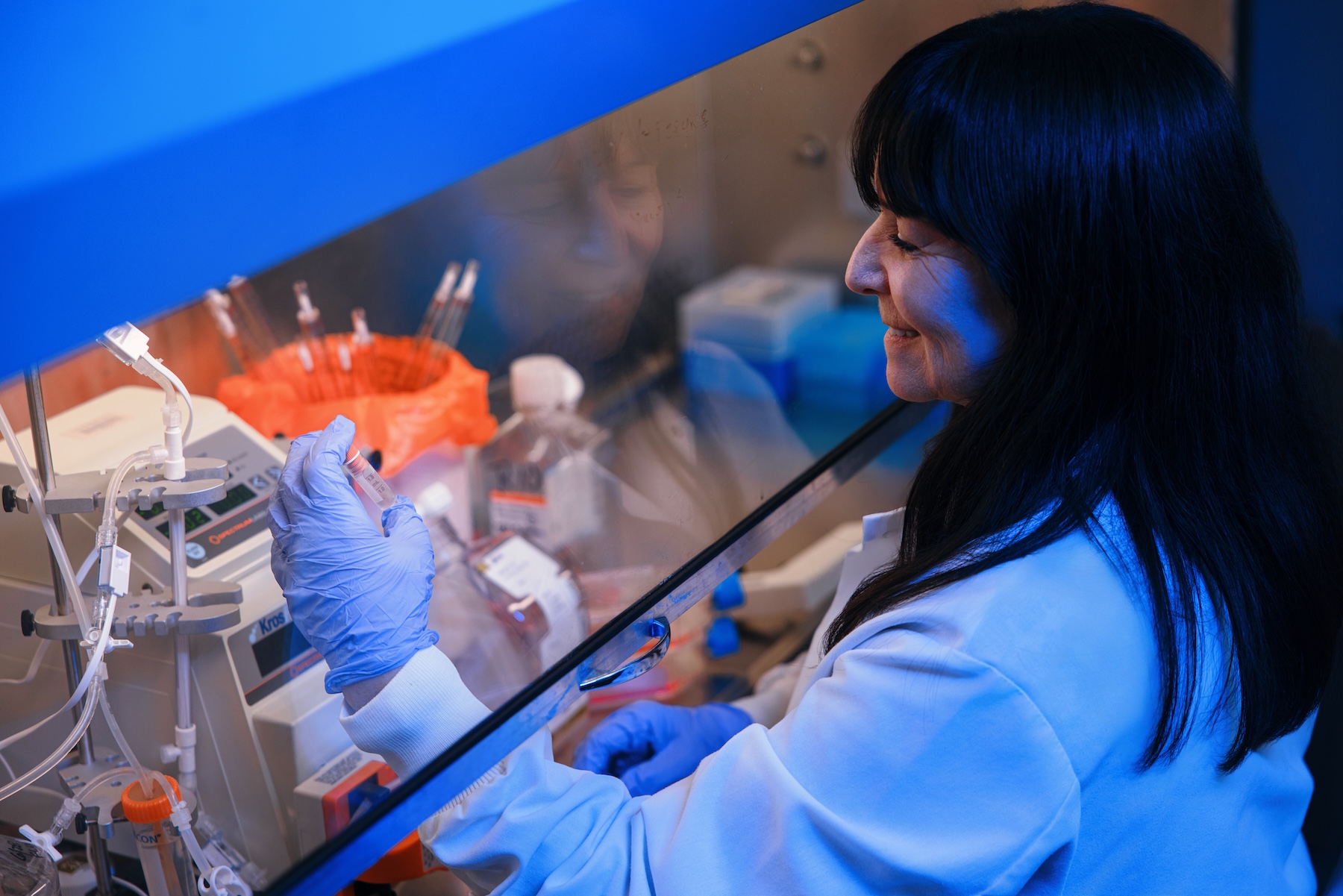
Understanding Vaccines
Welcome to your user-friendly guide to vaccines, where we help separate fact from fiction and offer a closer look at how Texas Biomed is at…
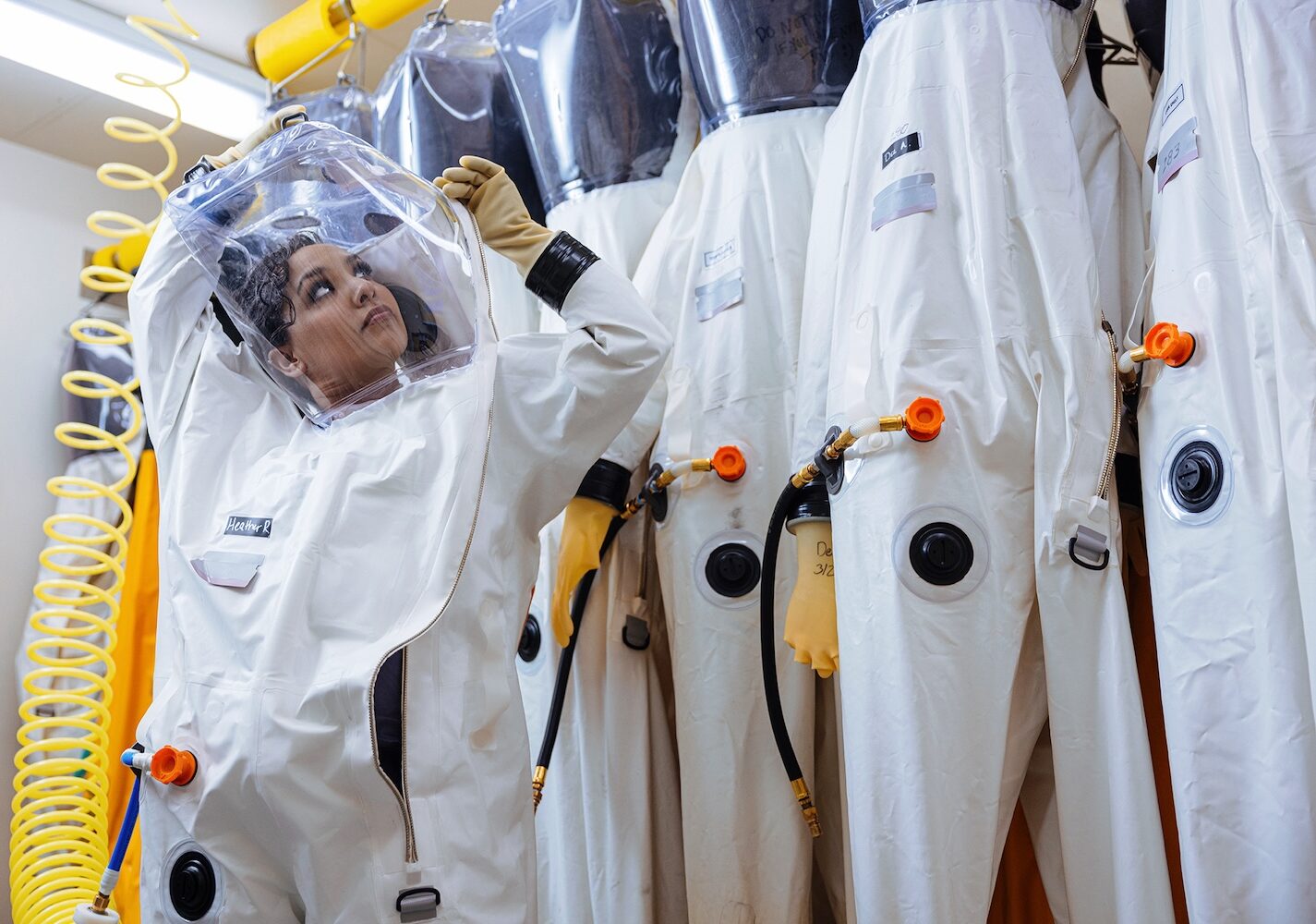
Texas Biomed marks 25 years of safe, maximum containment research
Since 2000, Texas Biomed has been at the forefront of studying deadly pathogens and testing vaccines and treatments against them, including anthrax and Ebola virus.…
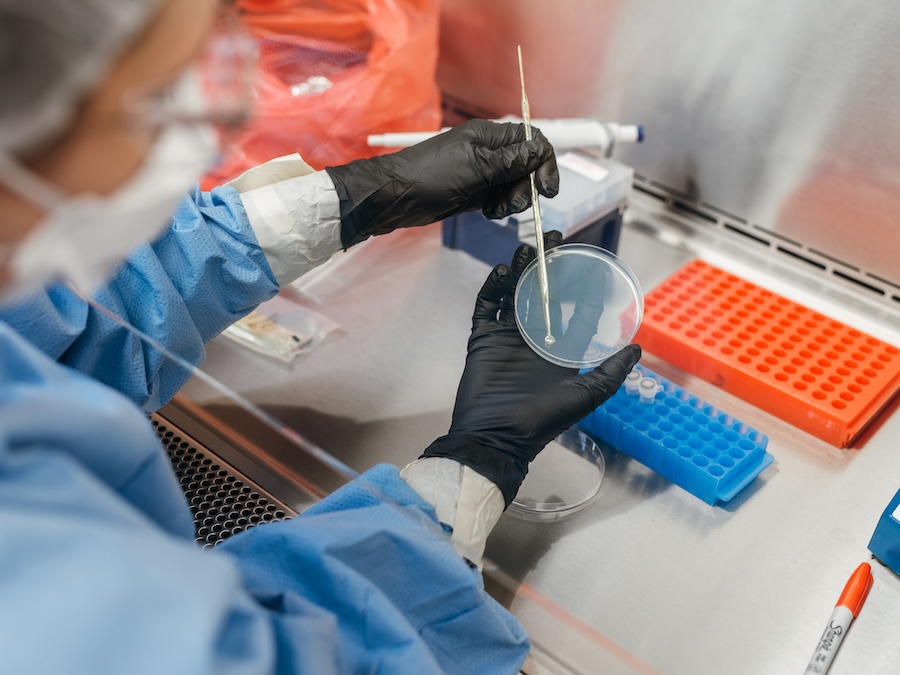
Testing vaccines at Texas Biomed
In addition to developing new vaccines, Texas Biomed helps partners to test their vaccines, as well as many other treatments and therapies. The Institute has…